
The Narrator and His Grandmother
In Search of Lost TimeThe narrator’s relationship with his grandmother moves from childhood dependence through neglect to a belated, painful recovery of love after her death.
increasing Bearing strength in each event
 decreasing
Bearing strength in each eventdecreasingChildhood Refuge
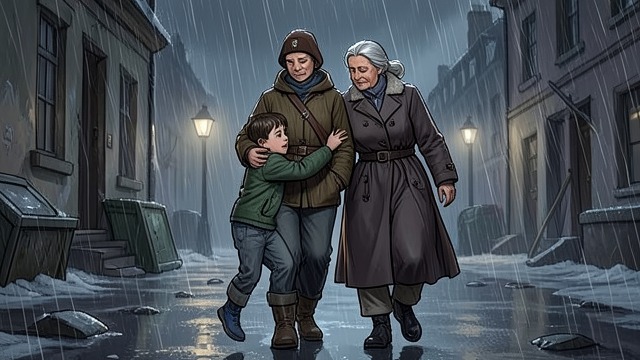
A Need for Comfort
A trusted presence
The grandmother shelters the narrator in moments of fear and distress. Her care becomes a foundation of his emotional life.
Affection taken for granted
Because she is so familiar, he does not fully understand what her presence means. The relationship is stored in habits before he can interpret it.
The Journey’s Cruelty

A Hidden Hurt
A moment remembered
The narrator recalls accepting a drink despite his grandmother’s concern. She closes her eyes rather than show him her anguish.
Love and regret
The memory returns years later as evidence of his casual selfishness. His grandmother’s silent tenderness becomes newly legible after she is gone.
The Last Illness
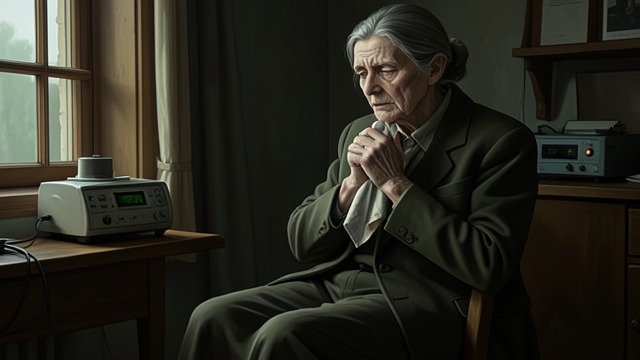
A Concealed Decline
Suffering hidden
The grandmother experiences fainting spells and worsening illness without telling the narrator. She tries to spare him and preserve their ordinary routine.
A missed understanding
He does not recognize the full cost of her concealment. The truth emerges only after death, when it can no longer change his behavior.
A Delayed Recognition
Death Becomes Present
Memory restored
An involuntary memory makes the grandmother feel alive again. The narrator experiences her as a present person rather than a remembered figure.
Loss understood
Only through this return does he understand that she is permanently dead. The emotional calendar finally catches up with the factual one.
The Photograph’s Lasting Pain

Grief as Knowledge
A chosen wound
The narrator refuses to soothe himself with fantasies that his grandmother remains nearby. He clings instead to pain as proof that she has returned to memory.
An enduring relationship
The dead survive through the living mind, but this survival cannot undo death. Love becomes a repeated recognition of absence.
Before the first visit to Balbec
During the earlier journey to Balbec
In the period before the grandmother’s death
The first night of the second Balbec visit
During the days after the narrator’s recollection
